
Winter Series Part 2: Poush Parbon
Poush Parbon is a Bengali winter harvest festival rooted in Nabanna, pithe puli, Poush Mela in Shantiniketan, and quiet rituals of gratitude, food, and togetherness.
BLOG WRITINGSTORY WRITING
This is Winter Series – Part 2, and winter is still unfolding.
Our Winter Series documents Indian winters through food, rituals, and quiet togetherness — one chapter at a time.
Explore Part 2 and the chapters ahead on The Author Factory.
Poush Parbon is a traditional Bengali winter festival that marks the season of harvest, gratitude, and community. Celebrated during the Bengali month of Poush, this period reflects a deep connection between food, faith, culture, and the natural rhythm of the land.
Unlike festive occasions defined by grandeur, Poush Parbon is observed quietly — through harvest rituals, home-cooked winter delicacies, folk gatherings, and customs that emphasise togetherness over spectacle.
What Is Poush Parbon?
Poush Parbon refers to the cultural and seasonal observances associated with the month of Poush in the Bengali calendar. It coincides with the completion of the winter harvest and is closely linked to agricultural life, especially rice cultivation.
Rather than a single-day festival, Poush Parbon unfolds gradually — through rituals like Nabanna, traditional winter foods such as pithe puli, and cultural gatherings including Poush Mela.
Is Poush Parbon a Single-Day Festival?
No. Poush Parbon is a seasonal observance rather than a one-day celebration. It spans the entire month of Poush and is expressed through multiple rituals, foods, and cultural practices.
Significance of the Month of Poush in Bengali Culture
The month of Poush represents a transition — from effort to rest, from cultivation to consumption. By this time, crops have been harvested, stored, and shared.
Why Is the Month of Poush Important?
Poush holds cultural importance because it encourages:
Gratitude toward the earth
Moderation rather than excess
Shared meals and community bonding
In Bengali tradition, Poush is seen as a time to slow down, reflect, and reconnect with home and heritage — values deeply embedded in winter customs.
Nabanna: The Harvest Festival of Gratitude
One of the most important rituals associated with Poush Parbon is Nabanna, often referred to as the Bengali harvest festival.
Nabanna marks the first consumption of newly harvested rice. The rice is cooked simply, offered symbolically, and then shared among family members.
What Is the Meaning of Nabanna?
Nabanna represents gratitude. The ritual reinforces the belief that food should only be consumed after acknowledging the labour of farmers and the generosity of the earth.
Nabanna is not celebratory in excess — it is reverent, restrained, and meaningful.
Pithe Puli: Traditional Bengali Winter Food
No discussion of Poush Parbon is complete without pithe puli, the traditional winter delicacies of Bengal.
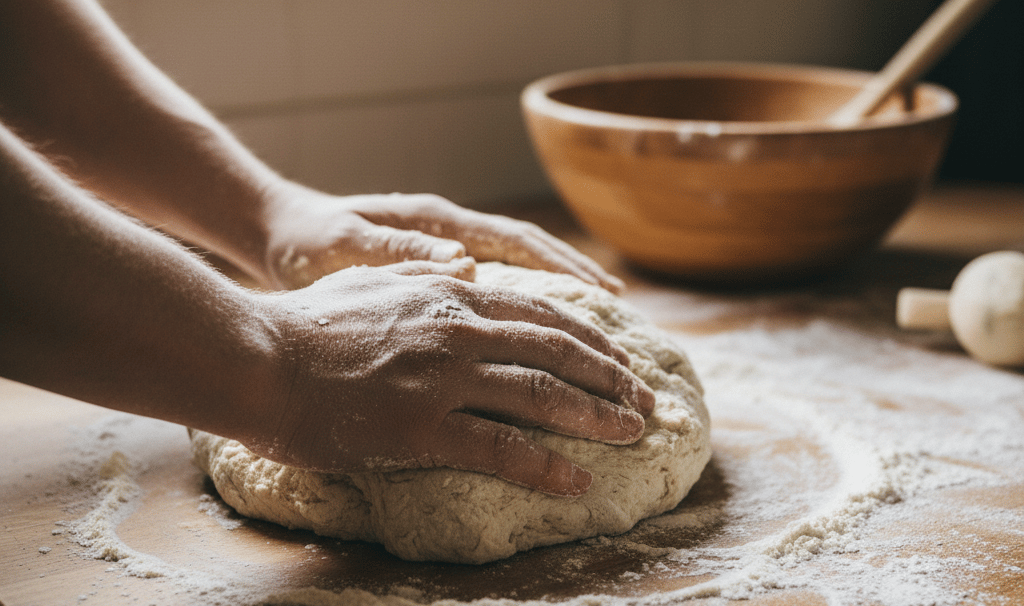
Prepared using rice flour, date palm jaggery, milk, and coconut, pithe varieties are made exclusively during winter. Their preparation is slow and deliberate, often involving multiple generations in the kitchen.
Why Is Pithe Puli Important in Poush Parbon?
Common cultural aspects of pithe puli include:
Hand-shaped preparation instead of uniform moulds
Family-led cooking rather than commercial production
Seasonal ingredients available only during winter
In Bengali households, pithe is more than food — it is memory, tradition, and inheritance passed down quietly.
Poush Mela: Cultural Festival at Shantiniketan
One of the most well-known public celebrations during Poush is the Poush Mela held in Shantiniketan.
The mela is known for:
Baul music and folk performances
Handmade crafts and indigenous art
Open-air gatherings without elaborate staging
What Makes Poush Mela Different from Other Fairs?
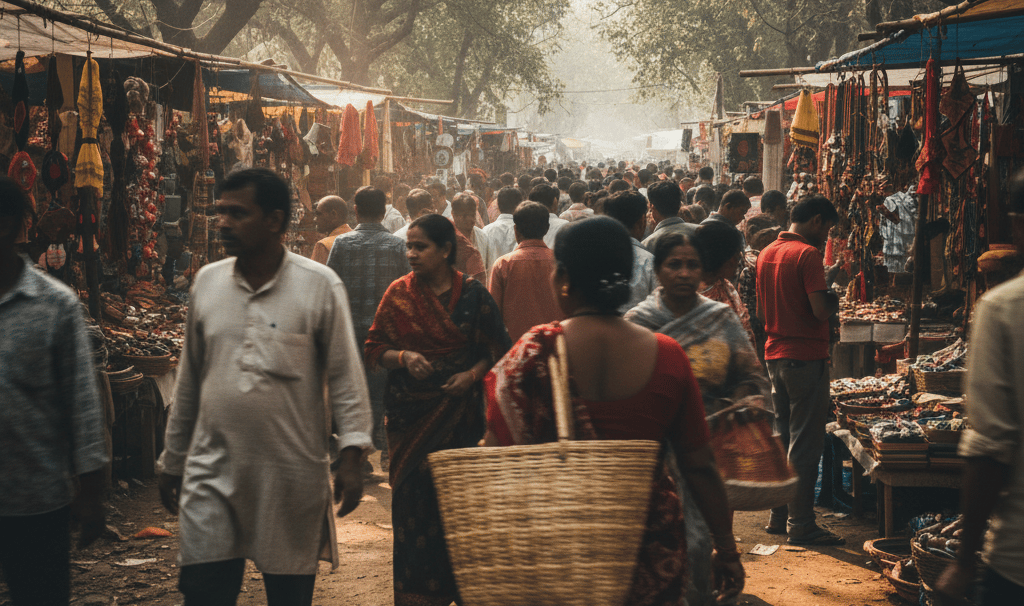
Unlike commercial fairs, Poush Mela reflects simplicity and authenticity. It celebrates rural culture, creativity, and community without urgency or spectacle.
Rituals and Customs Associated with Poush Parbon
Poush Parbon is defined by small, meaningful customs rather than grand ceremonies.
Common Rituals Observed During Pous
Early morning bathing during Poush Sankranti
Simple household prayers and offerings
Cleaning homes instead of decorating them
Sharing food without formal invitations
These practices reinforce the idea that winter is a season of sincerity and presence, not performance.
Why Poush Parbon Still Matters Today
In modern life, where festivals are often defined by scale and visibility, Poush Parbon offers an alternative rhythm.
Cultural Relevance of Poush Parbon Today
It reminds people to:
Honour seasonal cycles
Respect food and labour
Sit together without agenda
Poush Parbon remains relevant because it prioritises belonging over celebration and gratitude over excess.
The Essence of Poush Parbon
Poush Parbon is not about a single ritual, dish, or event. It is about a collective pause — where winter invites people to rest, reflect, and reconnect.
Like the season itself, it does not demand attention.
It stays quietly — long after winter moves on.



AUTHOR EMPOWERMENT
Join a vibrant community of storytellers today.
Connect
Explore
+91 7980205375
© 2025. All rights reserved.